Tel Aviv
The White City. Bauhaus architecture, golden beaches, and a 24/7 party vibe.
Quick Facts: Tel Aviv in July
- Cheapest fare
- ฿13,997
- Cheapest month
- June
- Airlines
- 4 carriers
- Flight time
- ~13h 50m
- Avg temperature
- 38°C
- Climate
- Hot
- Cost of living
- Pricey
- Distance
- 0 km
The White City. Bauhaus architecture, golden beaches, and a 24/7 party vibe.
Best July Deals
July Price Intelligence
How Tel Aviv prices compare in July 2026
Best in July
฿13,997
July avg
฿18,558
July median
฿13,997
July p90
฿22,192
Daily Price Trend
Cheapest fares for each day of July 2026
July 2026 Price Calendar
Tap any day to jump to that deal
Plan Around a Holiday
Holidays in July 2026
About Tel Aviv
Tel Aviv is often called 'The White City' due to its status as a UNESCO World Heritage site for having one of the largest concentrations of Bauhaus and International Style buildings in the world. This architectural movement, brought by Jewish architects fleeing Europe in the 1930s, defined the city's look with clean lines, functional designs, and white or light-colored facades. Rothschild Boulevard is the epicenter of this style and serves as the city's prestigious heart, with a tree-lined pedestrian path in its center and historic buildings on either side. Exploring the White City is best done on foot or by renting one of the city's ubiquitous green bikes. You'll notice the distinctive 'thermometer' windows and curved balconies designed to provide shade and breeze in the Mediterranean heat. The Bauhaus Center on Dizengoff Street offers detailed tours and exhibitions for those interested in the history and preservation of these iconic structures. Today, many of these buildings have been meticulously restored and house boutique hotels, high-end apartments, and tech offices, merging the city's historic legacy with its modern status as a global innovation hub. Tel Aviv is a city that fully embraces modernity. It is known for its fast-paced lifestyle, world-class nightlife, and a tech scene that has earned Israel the nickname 'Startup Nation.' The energy of the city is infectious, with people working in cafes by day and overflowing from bars and restaurants by night. Despite this rapid development, the preservation of the White City ensures that Tel Aviv retains a unique historical identity that connects it to the European modernism of the early 20th century. It is a city of constant motion, always looking forward while cherishing its unique architectural heritage.
Tel Aviv is arguably one of the most exciting food cities in the world, offering a fusion of Middle Eastern traditions and Mediterranean influences. The Carmel Market (Shuk HaCarmel) is the city's largest and most vibrant open-air market. Here, vendors sell everything from fresh seasonal produce to artisanal cheeses, spices, and clothing. For a quick lunch, grab a pita filled with falafel, sabich (fried eggplant and egg), or a warm portion of hummus from one of the many stalls. The noise, the smells, and the shouting of the vendors create a quintessentially Israeli sensory experience. For a more refined culinary adventure, Levinsky Market in the Florentine neighborhood is famous for its boutique spices, dried fruits, and high-quality tahini. This area is the center of the city's traditional Balkan and Persian food legacy. At night, the market transforms as small bars and trendy restaurants open their doors, serving innovative Israeli fusion dishes that use the market's fresh ingredients. Don't forget to try 'Malabi' (a creamy milk pudding) for dessert and a glass of 'Arak,' the anise-flavored local spirit that is the base for many Tel Aviv cocktails. Tel Aviv is also a paradise for vegans and vegetarians, often cited as one of the most vegan-friendly cities on earth. The abundance of fresh vegetables, beans, and grains means that even the simplest street food is often accidentally vegan. Beyond the shuks, the city is home to numerous chef-driven restaurants that have gained international acclaim, blending traditional techniques with modern presentation. Whether you are eating at a plastic table in the market or a high-end restaurant in Neve Tzedek, the quality and freshness of the food in Tel Aviv are unparalleled.
The beach is the center of social life in Tel Aviv. A long stretch of golden sand runs the entire length of the city, connected by a beautifully designed promenade (Tayelet). Each section of the beach has its own character: Hilton Beach is known for its surfing and inclusive vibe, Banana Beach is a popular spot for Friday afternoon drum circles, and Jerusalem Beach is a favorite for local families. The water is warm and crystal clear for much of the year, making it an ideal place for swimming, paddleboarding, or simply relaxing under an umbrella. One of the most popular local activities is playing 'Matkot,' a fast-paced wooden paddle ball game that you will hear all over the beach. It is almost a national sport in Tel Aviv. As the sun begins to set, the beachside bars and cafes fill up with people enjoying the view with a cold beer or a glass of wine. The sunset over the Mediterranean is a daily event that brings the city to a standstill, followed by the start of the city's legendary nightlife. The seamless transition from a day on the sand to a night in a beach club is part of the city's unique charm. The promenade itself is a hub for walkers, joggers, and cyclists, offering a scenic route from the northern port (Namal) all the way down to Old Jaffa in the south. Along the way, you'll pass outdoor gym equipment, volleyball courts, and beautiful shaded plazas. The beach isn't just a place to visit; it’s an extension of the city's living room. Even in the winter, the mild climate allows for long walks along the shore, ensuring that the connection to the sea remains a constant throughout the year for all Tel Avivians.
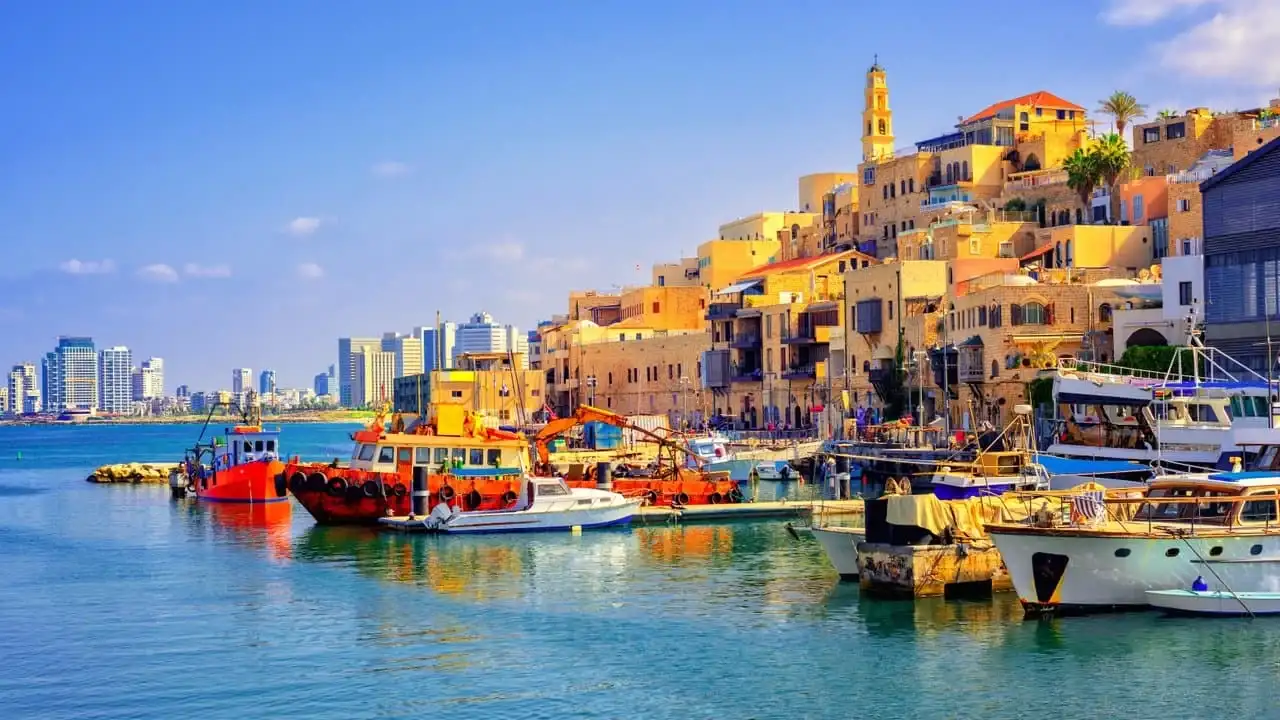
Jaffa (Yafo) is the ancient port city from which modern Tel Aviv grew. With history stretching back over 4,000 years, it is a maze of narrow stone alleys, archaeological ruins, and historic churches. The old port, once one of the most important in the Mediterranean, is now a vibrant area filled with seafood restaurants and art galleries. Walking through the 'Zodiac Alleys'—named after the astrological signs—provides a sense of stepping back in time, offering a quiet, historic contrast to the glass skyscrapers of the modern city just a few kilometers away. One of the main attractions is the Jaffa Flea Market (Shuk Hapishpishim). During the day, it’s a treasure trove for those seeking vintage furniture, kilim rugs, and antique copperware. In recent years, it has become one of the city's trendiest spots for nightlife, with hip bars and boutiques opening among the old stalls. The blend of the grit of the old market with the polish of the new boutiques creates a unique atmosphere that is highly popular with the city's youth. It’s the perfect place to grab a cocktail and enjoy the bohemian energy. Jaffa is also a center for art and culture, housing the Ilana Goor Museum and numerous small studios where artists work in traditional and contemporary media. The St. Peter's Church, built on a cliff overlooking the sea, is a stunning landmark with its orange facade. Don't miss the panoramic view of the Tel Aviv skyline from the Jaffa Overlook (HaPisgah Garden); it is the best place to see the ancient walls in the foreground with the ultra-modern city in the distance. Jaffa remains a symbol of Coexistence, where Jewish and Arab communities live side by side, creating a rich cultural and religious tapestry.