Seoul — cheap flights destination
🇰🇷

Seoul

A dynamic fusion of ancient palaces and neon-lit skyscrapers, Seoul pulses with K-pop energy, world-class street food, cutting-edge technology, and a nightlife scene that rarely sleeps, all set against a backdrop of forested mountains.

🏙️City🎉Nightlife
from฿5,243
July 2026
Thai AirAsiaJin AirT'way AirThai VietJet AirAir PremiaThai AirAsiaJin AirT'way AirThai VietJet AirAir Premia

Quick Facts: Seoul in July

Cheapest fare
฿5,243
Cheapest month
May
Airlines
5 carriers
Flight time
~5h 50m
Non-stop
Direct flights available
Avg temperature
25°C
Climate
Warm
Distance
0 km

A dynamic fusion of ancient palaces and neon-lit skyscrapers, Seoul pulses with K-pop energy, world-class street food, cutting-edge technology, and a nightlife scene that rarely sleeps, all set against a backdrop of forested mountains.

Best July Deals

View all

July Price Intelligence

How Seoul prices compare in July 2026

21% below avg
฿3,961฿7,664

Best in July

฿5,243

July avg

฿6,202

July median

฿5,243

July p90

฿7,664

Monthly cheapest fares
฿3,961
฿6,272

Daily Price Trend

Cheapest fares for each day of July 2026

Jul 1 – Jul 31 · Price Trend
priceThis deal
฿8,750฿6,775฿4,800฿5,243Jul 1Jul 11Jul 21Jul 31Jul 3

Plan Around a Holiday

Holidays in July 2026

About Seoul

ClimateAvg 12°C · 0°–0°C
-3°
Jan
-1°
Feb
Mar
12°
Apr
18°
May
23°
Jun
25°
Jul
26°
Aug
21°
Sep
14°
Oct
Nov
Dec
Things to Do
🏛Ancient Palaces🎵K-Pop Culture🍢Street Food Capital💡High-Tech Hub📷Bukchon Hanok Village🏛Palace Visits🛍Shopping Districts🥾Urban Mountain Hiking🎤K-Pop Experiences🏛Ancient Palaces🎵K-Pop Culture🍢Street Food Capital💡High-Tech Hub📷Bukchon Hanok Village🏛Palace Visits🛍Shopping Districts🥾Urban Mountain Hiking🎤K-Pop Experiences🏛Ancient Palaces🎵K-Pop Culture🍢Street Food Capital💡High-Tech Hub📷Bukchon Hanok Village🏛Palace Visits🛍Shopping Districts🥾Urban Mountain Hiking🎤K-Pop Experiences
Food & Drink
🥩Korean BBQ🍢Tteokbokki🥟Mandu Dumplings🍜Kimchi Jjigae🥩Korean BBQ🍢Tteokbokki🥟Mandu Dumplings🍜Kimchi Jjigae🥩Korean BBQ🍢Tteokbokki🥟Mandu Dumplings🍜Kimchi Jjigae
Culture
📜Joseon Dynasty Heritage🎵K-Pop & Hallyu Wave🏮Hanbok Culture🎭Traditional Performances📜Joseon Dynasty Heritage🎵K-Pop & Hallyu Wave🏮Hanbok Culture🎭Traditional Performances📜Joseon Dynasty Heritage🎵K-Pop & Hallyu Wave🏮Hanbok Culture🎭Traditional Performances
History
📜600-Year Capital🏰Five Grand Palaces🛕Jongmyo Shrine🏛War Memorial of Korea📜600-Year Capital🏰Five Grand Palaces🛕Jongmyo Shrine🏛War Memorial of Korea📜600-Year Capital🏰Five Grand Palaces🛕Jongmyo Shrine🏛War Memorial of Korea
Getting Around
🚇World-Class Metro System🚌Comprehensive Bus Network🚕Affordable Taxis🚄KTX High-Speed Rail🚇World-Class Metro System🚌Comprehensive Bus Network🚕Affordable Taxis🚄KTX High-Speed Rail🚇World-Class Metro System🚌Comprehensive Bus Network🚕Affordable Taxis🚄KTX High-Speed Rail
Nightlife
🍸Gangnam Cocktail Bars🎶Hongdae Live Music🎤Karaoke (Noraebang)🌃Itaewon International Scene🍸Gangnam Cocktail Bars🎶Hongdae Live Music🎤Karaoke (Noraebang)🌃Itaewon International Scene🍸Gangnam Cocktail Bars🎶Hongdae Live Music🎤Karaoke (Noraebang)🌃Itaewon International Scene
Family Friendly
🛡Extremely Safe🌳Children's Grand Park🎢Lotte World🐠COEX Aquarium🛡Extremely Safe🌳Children's Grand Park🎢Lotte World🐠COEX Aquarium🛡Extremely Safe🌳Children's Grand Park🎢Lotte World🐠COEX Aquarium
Seoul's Royal Palaces and Historic Neighborhoods

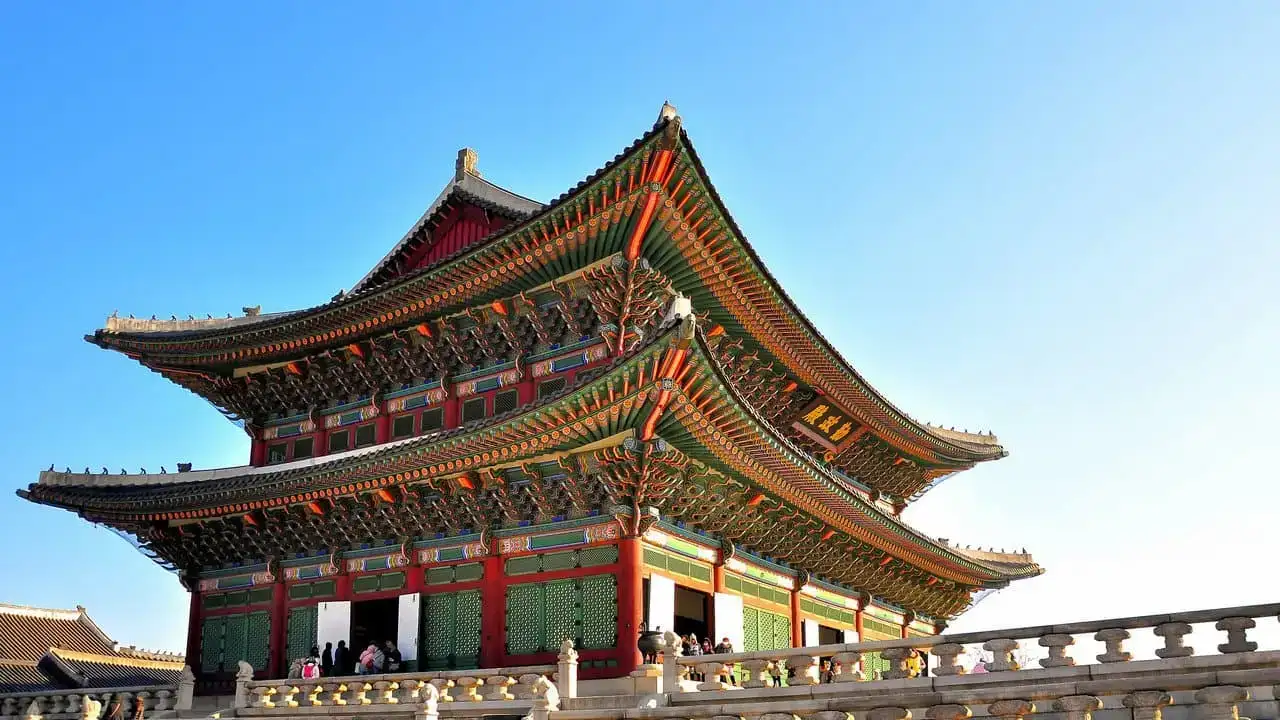
Seoul's identity is rooted in the Joseon Dynasty, which made the city its capital in 1394 and left behind a legacy of grand palaces, royal shrines, and traditional neighborhoods that remain remarkably intact despite the upheavals of the 20th century. Gyeongbokgung Palace, the largest and most iconic of the five grand palaces, anchors the northern end of the historic city center with its sweeping courtyards, throne halls, and the serene Gyeonghoeru Pavilion floating on a lotus pond. The Changing of the Guard ceremony at the main Gwanghwamun Gate, performed in colorful traditional costumes, takes place multiple times daily and is a beloved free spectacle. Just east of the palace, the Bukchon Hanok Village is a residential neighborhood of hundreds of traditional Korean houses with curved tile roofs, narrow alleyways, and mountain backdrops that has become one of Seoul's most photographed areas. Many visitors rent hanbok (traditional Korean attire) from the numerous rental shops surrounding the palaces and stroll through the historic streets in full costume, which also grants free entry to the palace grounds. The nearby Changdeokgung Palace, a UNESCO World Heritage Site, is considered the most beautiful of Seoul's palaces, particularly its Secret Garden — a vast landscaped woodland of pavilions, ponds, and ancient trees accessible only by guided tour. Jongmyo Shrine, the royal ancestral shrine where Confucian memorial rites for Joseon kings have been performed for over 600 years, offers one of Korea's most solemn and powerful cultural experiences, especially during the annual Jongmyo Daeje ceremony featuring traditional court music and dance. From palaces to village lanes, Seoul's historic core provides an immersive journey into a civilization that prized harmony, hierarchy, and aesthetic refinement.

Seoul Street Food, Shopping, and Nightlife

Seoul is a city that never stops eating, shopping, or celebrating, and the energy of its streets is one of the great urban experiences in Asia. The Myeongdong shopping district is ground zero for Korean beauty products, K-pop merchandise, and fashion, with neon-signed storefronts and beauty brand flagships stretching across pedestrianized streets that buzz until late at night. But Myeongdong's real magic is its street food: vendors line the sidewalks selling tteokbokki (spicy rice cakes), hotteok (sweet pancakes filled with brown sugar and nuts), tornado potatoes on sticks, egg bread, and enormous Korean fried chicken drumsticks. Gwangjang Market, one of Seoul's oldest and largest traditional markets, takes street food to another level with stalls serving bindaetteok (mung bean pancakes), mayak gimbap (addictive mini rice rolls), and knife-cut noodles in steaming broth — all eaten on communal benches amid the market's lively chaos. For Korean BBQ, the Mapo-gu district is the epicenter, where restaurants like Maple Tree House serve premium cuts of marinated galbi (short rib) and samgyeopsal (pork belly) grilled at your table and wrapped in lettuce leaves with ssamjang sauce and garlic. Seoul's nightlife is equally legendary. Hongdae, the university district, offers the most diverse scene with indie live music clubs, dance venues, busking performances, and quirky themed bars. Gangnam, south of the river, caters to a more upscale crowd with sleek cocktail lounges, rooftop bars, and exclusive clubs. Itaewon provides an international flavor with craft cocktail bars, drag shows, and restaurants from every corner of the world. And no Seoul night is complete without noraebang — private karaoke rooms where friends sing their hearts out into the early morning hours, fueled by beer, soju, and an inexhaustible catalog of K-pop hits.

Day Trips and Nature Around Seoul

Despite being a megacity of nearly 10 million people, Seoul is remarkably blessed with natural beauty, and some of the country's most rewarding outdoor experiences are accessible within the city limits or a short journey beyond. Bukhansan National Park, whose granite peaks rise dramatically along the city's northern boundary, offers challenging hikes to rocky summits with panoramic views of the urban sprawl stretching to the horizon in every direction. The Baegundae Peak trail, the park's highest point at 836 meters, is a popular half-day hike that rewards climbers with 360-degree views and a genuine sense of mountain wilderness just minutes from apartment blocks and subway stations. Within the city, Namsan Mountain provides a gentler climb through forested paths to the base of N Seoul Tower, where couples attach 'love locks' to fences and the observation deck offers one of Asia's most spectacular night-time city panoramas. For a sobering and essential cultural experience, the Demilitarized Zone (DMZ) between North and South Korea is accessible on organized tours departing from central Seoul, roughly 50 kilometers to the north. Visitors can peer into North Korea from observation posts, explore infiltration tunnels dug beneath the border, and visit the Joint Security Area at Panmunjom where soldiers from both sides stand face to face. The atmosphere is tense but fascinating, offering context for one of the world's last remaining Cold War frontiers. South of Seoul, the fortress city of Suwon features the magnificent Hwaseong Fortress, a UNESCO World Heritage Site encircling the old town with 5.7 kilometers of dramatically curved walls, watchtowers, and gates built in the 18th century. The surrounding Suwon area is also famous for galbi (short rib) restaurants, making a day trip that combines history, architecture, and outstanding Korean cuisine.

Airlines to Seoul in July

FAQ about Seoul in July

What is the cheapest flight from Bangkok to Seoul?
The cheapest flight we've found from Bangkok to Seoul is ฿5,243. Prices change frequently, so check back often for the latest deals.
What is the average flight price from Bangkok to Seoul?
The average price for flights from Bangkok to Seoul is around ฿6,202. You can save up to 15% by booking the cheapest available deal.
When is the best time to fly from Bangkok to Seoul?
Based on current prices, July 2026 offers some of the best deals from Bangkok to Seoul. Check the month-by-month breakdown on this page for the cheapest times to fly.
Are there direct flights from Bangkok to Seoul?
Availability of direct flights depends on the season and airline. Use the "Direct" filter on our search page to find non-stop flights from Bangkok to Seoul.

Also Explore