Lisbon
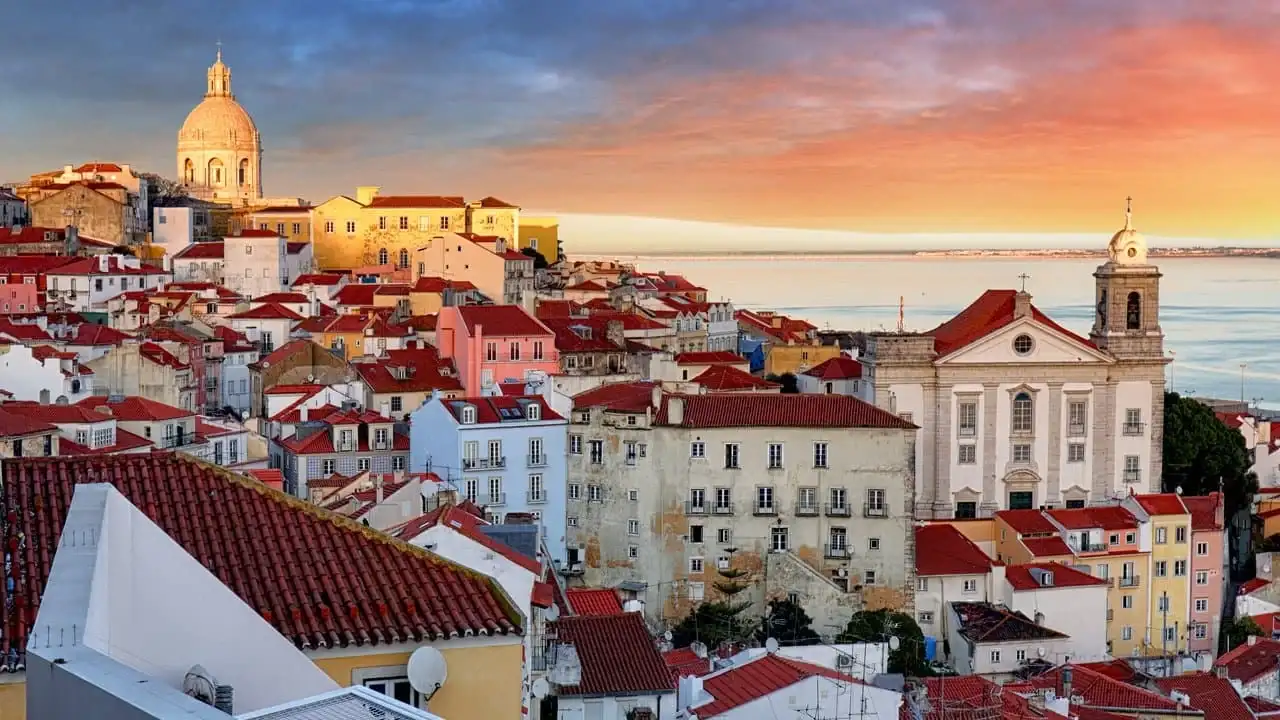
City of Seven Hills. Sun-drenched plazas, pastel buildings, and yellow trams overlooking the Tagus.










Best June Deals
Lisbon
Portugal
Etihad AirwaysLisbon
Portugal
Etihad AirwaysLisbon
Portugal
Etihad AirwaysLisbon
Portugal
Etihad AirwaysLisbon
Portugal
Etihad AirwaysLisbon
Portugal
Etihad AirwaysLisbon
Portugal
Etihad AirwaysLisbon
Portugal
Etihad AirwaysLisbon
Portugal
Etihad AirwaysLisbon
Portugal
Etihad AirwaysJune Price Intelligence
How Lisbon prices compare in June 2026
Best in June
฿28,775
June avg
฿39,256
June median
฿31,657
June p90
฿46,674
Plan Around a Holiday
Holidays in June 2026
About Lisbon
Quick Facts: Lisbon in June
- Cheapest fare
- ฿28,775
- Cheapest month
- June
- Airlines
- 10 carriers
- Flight time
- ~14h 50m
- Avg temperature
- 21°C
- Climate
- Mild
- Cost of living
- Affordable
- Distance
- 0 km
Lisbon is famously known as the city of seven hills, a geography that defines its character and offers countless breathtaking viewpoints called 'miradouros'. Each hilltop provides a unique perspective of the terracotta rooftops, the sparkling Tagus River, and the grand 25 de Abril Bridge. Miradouro de Santa Luzia and Miradouro da Senhora do Monte are iconic spots to watch the sunset as the city transforms into a golden landscape. Navigating these hills is part of the adventure. You can board the historic yellow Tram 28, which squeaks through narrow streets, or take one of the vintage funiculars like Elevador da Glória. Walking is rewarded with the discovery of intricate 'calçada portuguesa' (traditional mosaic pavements) that decorate every square. Prepare for a workout, but the reward of a fresh breeze at the top of a steep climb is always worth it.
No trip to Lisbon is complete without indulging in its legendary pastry, the Pastel de Nata. While they are available everywhere, the original 'Pastéis de Belém' bakery remains a pilgrimage site for foodies, serving warm, custard-filled tarts dusted with cinnamon. Beyond sweets, Lisbon's food scene is a celebration of the sea. Grilled sardines in June, salt-cod (bacalhau) prepared in hundreds of ways, and octopus 'à lagareiro' are staples you must try. For a modern culinary experience, visit the Time Out Market (Mercado da Ribeira), where some of the city's top chefs have stalls. Here you can sample gourmet dishes at communal tables in a vibrant atmosphere. Pair your seafood with a glass of crisp Vinho Verde or a shot of Ginjinha, a cherry liqueur often served in chocolate cups in the historic districts. The blend of traditional recipes and innovative seafood makes Lisbon a premier food capital.
Alfama is Lisbon's oldest district, a labyrinth of narrow alleys and tiny squares that survived the great earthquake of 1755. Walking through its streets feels like stepping back in time, with laundry hanging from balconies and neighbors chatting across windows. This neighborhood is the birthplace of Fado, Portugal's soulful and melancholic musical tradition. As night falls, the sound of acoustic guitars and powerful voices spills out of small 'tascas' and high-end Fado houses. At the peak of Alfama sits the São Jorge Castle, offering defensive walls you can walk along for panoramic city views. Below, the Se Cathedral stands as a fortress-like monument to the city's religious history. During the month of June, Alfama becomes the epicenter of the Santos Populares festivals, where the streets are decorated with colorful banners and the smell of grilled sardines fills the air, showcasing the district's enduring community spirit.
While central Lisbon is captivating, heading west reveals some of its most iconic landmarks. Belém is home to the Jerónimos Monastery and the Belém Tower, both stunning examples of Manueline architecture and symbols of Portugal's Age of Discovery. The Padrão dos Descobrimentos monument stands tall on the riverfront, celebrating the explorers who set sail from these very shores. It's a spacious area perfect for cycling along the river. For a change of pace, stop at the LX Factory in Alcântara. This repurposed industrial complex is now a creative hub filled with street art, quirky boutiques, and trendy cafes. It represents the modern, artistic side of Lisbon, where old brick warehouses host tech startups and independent bookstores like Ler Devagar. It's an excellent spot for Sunday markets and discovering the work of local designers, offering a vibrant contrast to the historic grandeur of Belém.