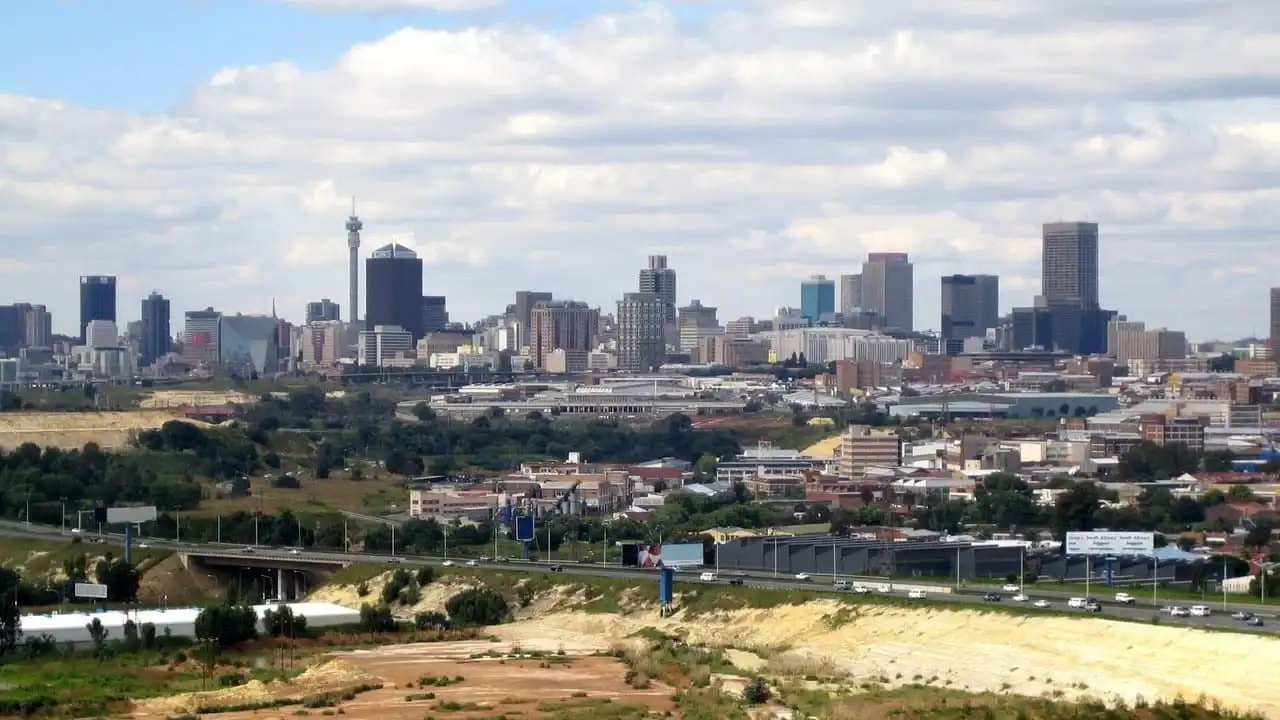
Johannesburg
City of Gold. The economic heartbeat of Africa, rich in history and grit.
Quick Facts: Johannesburg in July
- Cheapest fare
- ฿16,062
- Cheapest month
- June
- Airlines
- 3 carriers
- Flight time
- ~22h 15m
- Avg temperature
- 13°C
- Climate
- Mild
- Cost of living
- Affordable
- Distance
- 0 km
City of Gold. The economic heartbeat of Africa, rich in history and grit.
Best July Deals
July Price Intelligence
How Johannesburg prices compare in July 2026
Best in July
฿16,062
July avg
฿17,554
July median
฿16,062
July p90
฿19,625
Daily Price Trend
Cheapest fares for each day of July 2026
July 2026 Price Calendar
Tap any day to jump to that deal
Plan Around a Holiday
Holidays in July 2026
About Johannesburg
Johannesburg, affectionately known as Jozi or Egoli (the City of Gold), is the powerful economic engine of South Africa and a city of profound historical significance. Start your visit at the Apartheid Museum, a critically important site that provides a harrowing and deep look into the rise and fall of state-sanctioned racial segregation. To further understand the country's journey to democracy, visit Constitution Hill, a former prison complex that once held Nelson Mandela and Mahatma Gandhi, and now houses the highest court in the land, built using bricks from the old prison walls. For a change of pace, explore the bustling neighborhood of Maboneng, an urban regeneration project that has transformed a gritty industrial area into a vibrant hub of art galleries, studios, and restaurants. The 'Arts on Main' complex is a highlight here, especially on Sunday market days. Johannesburg is also one of the greenest cities in the world, with over 10 million trees. Head to the Johannesburg Botanical Gardens or take a walk through the lush suburbs of Houghton and Westcliff for a glimpse of the city's more serene side. Safety is often a concern for travelers, but with common sense and local knowledge, JNB is a rewarding destination. Use reputable taxi services like Uber rather than walking late at night in unfamiliar areas. The city’s energy is raw and authentic, offering a different South African experience compared to the coastal charm of Cape Town. From the skyscrapers of Sandton—the 'richest square mile in Africa'—to the historic streets of Soweto, Johannesburg is a city of resilience and transformation that challenges and inspires every visitor.
Soweto (South Western Townships) is more than just a suburb of Johannesburg; it is the heartbeat of South Africa’s struggle for freedom. A guided tour is highly recommended to appreciate its scale and history. Visit Vilakazi Street, the only street in the world to have been home to two Nobel Peace Prize winners: Nelson Mandela and Archbishop Desmond Tutu. You can tour the Mandela House Museum, which still bears the scars of the struggle. Nearby, the Hector Pieterson Memorial and Museum commemorates the 1976 Soweto Uprising, a turning point in the anti-apartheid movement led by students. But Soweto isn't just about the past; it's a vibrant, living community. Visit the Orlando Towers, former power station cooling towers now covered in massive murals and used for bungee jumping and BASE jumping. For a taste of local life, enjoy a 'shisanyama' (braai or BBQ) at a local spot like Chaf Pozi, where you can eat grilled meats while listening to Kwaito music. The sense of community pride in Soweto is palpable, and the hospitality of the locals is legendary. Transportation within Soweto can include the iconic minibus taxis, though tourists may find them confusing; organized bike tours or tuk-tuk tours are popular alternatives. Engaging with Soweto allows travelers to see beyond the headlines and experience the warmth, creativity, and resilience of its people. It's a place where history is respected, but the focus is firmly on building a brighter, more inclusive future. A visit here is an essential part of understanding the South African identity.
In recent years, Johannesburg has emerged as a global capital for contemporary African art. The Rosebank district is home to many prestigious galleries, including the Everard Read and Circa galleries, which showcase world-class South African painting and sculpture. For a more grassroots experience, the August House in the inner city provides a studio space for dozens of artists and occasionally opens its doors to the public for 'open studio' events, offering a rare chance to meet the creators behind the work. Design enthusiasts should head to the 44 Stanley precinct, a series of interconnected courtyards in an old industrial building filled with independent boutiques, local designers, and artisanal food spots. It’s a perfect example of Jozi’s knack for creative reuse. Street art also plays a massive role in the city's visual identity; guided graffiti tours in Newtown and Braamfontein reveal how local artists use the city's walls to comment on social and political issues, turning the urban landscape into a dynamic gallery. Don't miss the Wits Art Museum (WAM), which holds an extraordinary collection of African art, both traditional and contemporary. The city's fashion scene is equally vibrant, with events like SA Fashion Week highlighting the unique aesthetics of South African designers. Johannesburg’s creative scene is fueled by its complex history and its status as a melting pot of people from all over the continent. This results in an artistic output that is bold, provocative, and deeply rooted in the African experience, making it a must-see for any cultural traveler.
While Johannesburg is a sprawling metropolis, some of South Africa's most incredible natural and archaeological wonders are just a short drive away. The Cradle of Humankind, a UNESCO World Heritage site about 50 km from the city, is home to the Sterkfontein Caves where some of the oldest hominid fossils ever found were discovered. The Maropeng Visitors Centre offers an interactive journey through the history of our species, making it a fascinating trip for families and history buffs alike. For a wildlife fix without traveling to the Kruger Park, the Pilanesberg National Park is a three-hour drive away. Located in an extinct volcanic crater, it’s a 'Big Five' reserve (lion, leopard, elephant, buffalo, and rhino) and offers breathtaking scenery that varies from open plains to wooded hills. Another popular getaway is the Hartebeespoort Dam, where you can take a cable car up the Magaliesberg Mountains for panoramic views or enjoy water sports on the reservoir. The nearby Lesedi Cultural Village offers an immersion into the traditions of South Africa’s diverse tribes. If you prefer something closer, the Walter Sisulu Botanical Gardens in Roodepoort features a spectacular waterfall and is a prime spot for birdwatching, including the rare Verreaux's Eagles that nest on the cliffs. These escapes provide a refreshing contrast to the high-energy pace of the city, showing the incredible natural diversity that South Africa has to offer. Whether you're exploring ancient caves or watching a lion on the hunt, the areas surrounding Johannesburg provide world-class experiences within easy reach.