Brussels
Capital of Europe. A multicultural hub of Art Nouveau, comic books, chocolate, and beer.







Best May Deals
Brussels
Belgium
Etihad AirwaysBrussels
Belgium
Etihad AirwaysBrussels
Belgium
Etihad AirwaysBrussels
Belgium
Etihad AirwaysBrussels
Belgium
Etihad AirwaysBrussels
Belgium
Etihad AirwaysBrussels
Belgium
Etihad AirwaysBrussels
Belgium
Etihad AirwaysBrussels
Belgium
Etihad AirwaysBrussels
Belgium
Etihad AirwaysMay Price Intelligence
How Brussels prices compare in May 2027
Best in May
฿27,398
May avg
฿37,662
May median
฿28,408
May p90
฿47,241
Plan Around a Holiday
Holidays in May 2027
About Brussels
Quick Facts: Brussels in May
- Cheapest fare
- ฿27,398
- Cheapest month
- June
- Airlines
- 7 carriers
- Flight time
- ~13h 30m
- Avg temperature
- 14°C
- Climate
- Mild
- Cost of living
- Pricey
- Distance
- 0 km
Brussels is much more than the administrative hub of the European Union; it is a city of immense historic beauty and surreal charm. The starting point for any visitor is the Grand Place (Grote Markt), arguably one of the most beautiful squares in the world. Surrounded by opulent guildhalls and the striking Town Hall, this UNESCO World Heritage site is a masterpiece of late 17th-century architecture. Every two years in August, the square is covered in a massive 'Flower Carpet' made of millions of begonias, creating a breathtaking floral tapestry. A short walk from the Grand Place leads you to the Manneken Pis, the famous small bronze statue of a urinating boy that has become a symbol of the city's 'zwanze' (irreverent) humor. Brussels is also the capital of the comic strip; the Comic Art Museum and the numerous murals adorning gable ends throughout the city celebrate beloved characters like Tintin and the Smurfs. This playful spirit contrasts beautifully with the monumental Palais de Justice and the Royal Palace, highlighting the city's dual nature as both a serious capital and a whimsical playground. For a change of pace, head to the Heysel plateau to see the Atomium, a giant stainless steel molecule created for the 1958 World Expo. It offers panoramic views of the city and serves as a symbol of mid-century optimism. Nearby, Mini-Europe allows you to see the continent's major landmarks in miniature. Brussels is a city that invites you to wander, from the antique shops of the Sablon district to the trendy boutiques of Dansaert, offering a rich blend of history, art, and modern European identity.
For food lovers, Brussels is a dream destination. The city's scent is often a mix of roasting chocolate and vanilla-scented waffles. When it comes to waffles, remember there are two distinct types: the rectangular Brussels waffle, which is light and crispy, and the denser, rounder Liège waffle containing caramelized sugar pearls. While tourists often load them with toppings, locals often prefer them plain or with a simple dusting of powdered sugar. You'll find vendors all over the city, but the best ones are often found in unassuming shops away from the main square. No trip to Brussels is complete without indulging in Belgian chocolate. The city is home to legendary chocolatiers like Pierre Marcolini, Neuhaus (the inventor of the praline), and Mary. Many shops offer demonstrations where you can see the craftsmanship involved in tempering and molding these world-class treats. For a more savory experience, try the 'Moules-Frites' (mussels and fries). Belgian fries, usually double-fried in beef tallow, are a national pride and are best enjoyed from a 'frietkot' or 'friture' with a generous dollop of mayonnaise or a spicy sauce. Beer is the other pillar of Belgian gastronomy. With hundreds of varieties ranging from light wits to dark, complex trappist ales and sour lambics, there is a beer for every palate. Iconic spots like Delirium Café, with its record-breaking beer list, or the historic À la Mort Subite, provide the perfect atmosphere to sample these brews. Many bars serve each beer in its specifically designed glass, a testament to the country's deep-rooted beer culture. Brussels isn't just a place to eat and drink; it's a place to celebrate the art of fine flavors.
Brussels was one of the birthplaces of Art Nouveau, and the city's architecture reflects this elegant, flowing style. Victor Horta, the movement's pioneer, designed several buildings here that are now UNESCO World Heritage sites. The Horta Museum, his former home and studio in Saint-Gilles, is a must-visit for its intricate ironwork, stained glass, and organic forms. Walking through neighborhoods like Ixelles and Saint-Gilles reveals dozens of private residences with beautiful Art Nouveau facades, making the city a living museum for design enthusiasts. For a different kind of treasure, visit the Musical Instruments Museum (MIM), housed in the stunning Old England building, a former department store and another Art Nouveau gem. The collection includes thousands of instruments, and the rooftop cafe offers one of the best views over the Brussels skyline. If you're a fan of flea markets, the Place du Jeu de Balle in the Marolles district hosts a daily market where you can find everything from vintage clothing to rare European antiques. This area is the oldest and most authentic part of the city, where you can still hear the local 'Brussels' dialect being spoken. Finally, seek out the hidden gardens and courtyards that dot the city. The Egmont Park is a tranquil oasis hidden behind large buildings, providing a perfect spot for a quiet break. The Abbaye de la Cambre, a former Cistercian abbey, features beautiful landscaped gardens and a serene atmosphere that feels far removed from the city's bustle. These quiet corners provide a peaceful counterpoint to the city's busy streets and give a sense of the historical depth that makes Brussels such a rewarding place to explore beyond the surface level.
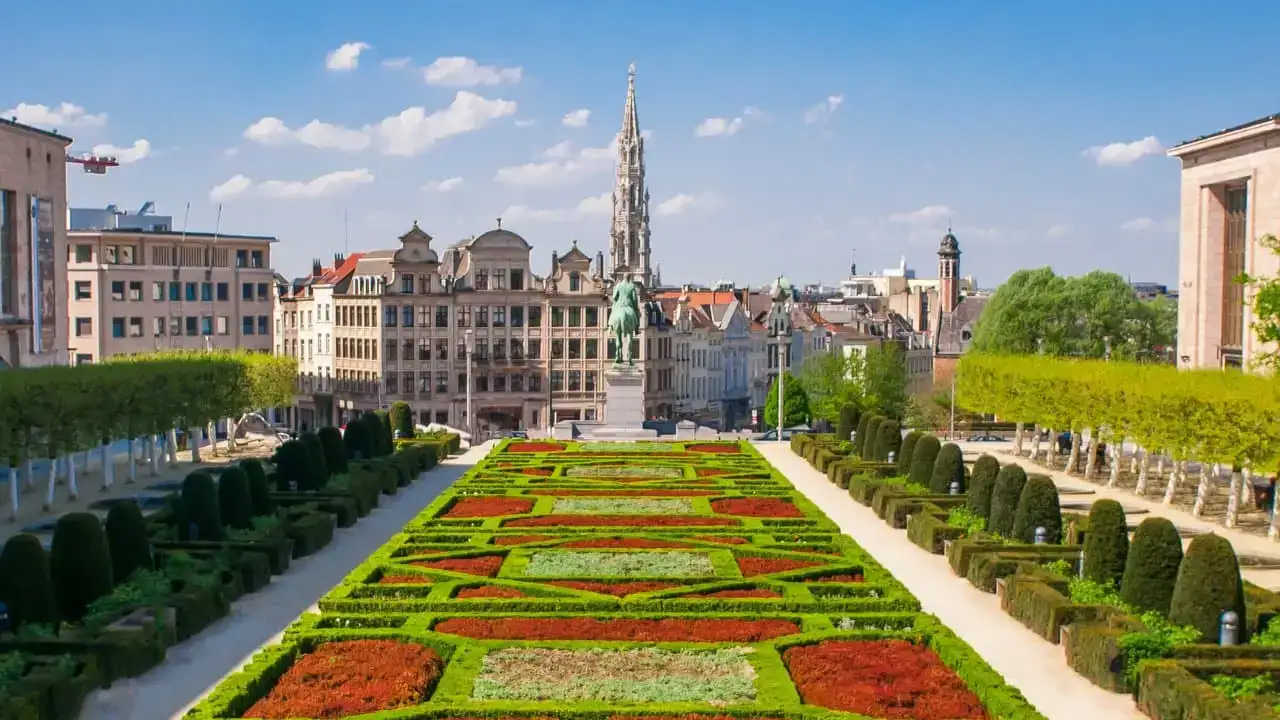
To get the most out of a single day in Brussels, focus on three distinct neighborhoods: the City Center, the Sablon, and the European Quarter. Start your morning in the City Center (Pentagon) to marvel at the Grand Place and grab a quick waffle. This area is compact and easily walkable, allowing you to see the main sights like the Royal Galeries of Saint-Hubert, one of the oldest shopping arcades in Europe, before the midday crowds arrive. It's the perfect place to pick up some pralines and see the city's historic core. By early afternoon, walk uphill to the Sablon district. Known for its high-end antique shops and chocolatiers, the Place du Grand Sablon is a sophisticated spot for people-watching. Visit the Church of Our Blessed Lady of the Sablon for its stunning Gothic architecture and beautiful stained glass. This area feels more residential and refined than the tourist center. From here, it's a short walk to the Mont des Arts, where you can enjoy a beautifully landscaped garden and a panoramic view of the spire of the Town Hall framed by modern buildings. End your day in the European Quarter (Leopold Quarter). While the modern glass and steel buildings of the European Parliament and Commission are impressive in their scale, the area also features beautiful parks like Parc du Cinquantenaire with its massive triumphal arch. The nearby Place du Luxembourg is a popular gathering spot for international workers and locals and offering a lively atmosphere for an evening beer. This progression from the medieval heart to the aristocratic Sablon and finally the modern political center provides a complete picture of Brussels' past, present, and future.