Cebu
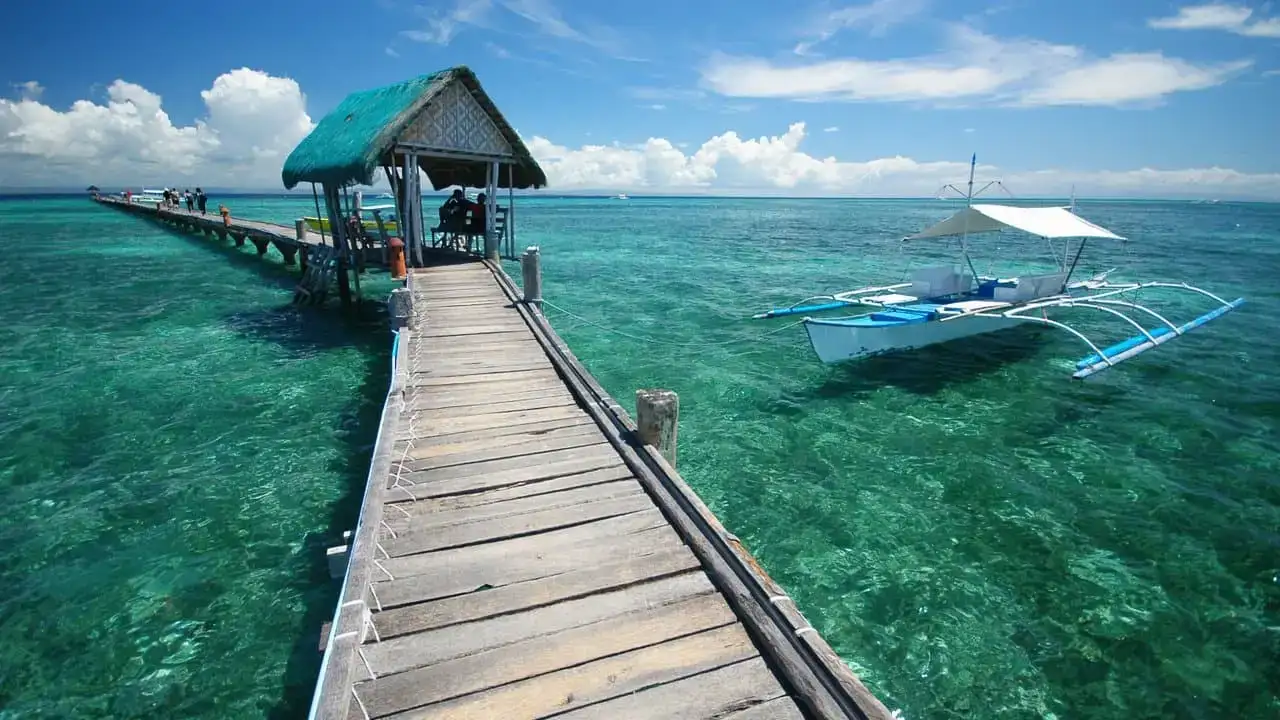
Queen City of the South. A gateway to waterfalls, whale sharks, and world-class diving.





Best May Deals

Cebu
Philippines
ScootCebu PacificCebu
Philippines
ScootCebu PacificCebu
Philippines
ScootAirAsia PhilippinesCebu
Philippines
ScootCebu PacificCebu
Philippines
ScootCebu PacificCebu
Philippines
ScootCebu PacificCebu
Philippines
ScootAirAsia PhilippinesCebu
Philippines
ScootCebu
Philippines
ScootCebu PacificCebu
Philippines
ScootMay Price Intelligence
How Cebu prices compare in May 2027
Best in May
฿9,146
May avg
฿12,481
May median
฿11,378
May p90
฿13,401
Plan Around a Holiday
Holidays in May 2027
About Cebu
Quick Facts: Cebu in May
- Cheapest fare
- ฿9,146
- Cheapest month
- August
- Airlines
- 5 carriers
- Flight time
- ~6h 20m
- Non-stop
- Direct flights available
- Avg temperature
- 30°C
- Climate
- Hot
- Cost of living
- Budget
- Distance
- 0 km
Cebu City, the 'Queen City of the South,' is the oldest city in the Philippines and serves as a vibrant hub of history, religion, and commerce. Its colonial past is most evident at the Basilica del Santo Niño, which houses the country's oldest religious icon, a gift from Ferdinand Magellan in 1521. Nearby, Magellan’s Cross stands as a symbol of the beginning of Christianity in the archipelago. For a more secular look at history, visit Fort San Pedro, a 16th-century Spanish fortification that once protected the city from raiders and now hosts a quiet park and museum. Modern Cebu is a bustling metropolis that has expanded into the highlands. A drive up to 'Busay' offers breathtaking views of the city lights and the surrounding sea. Here, you can find the Temple of Leah, a massive Roman-style edifice built as a symbol of 'undying love,' and Sirao Garden, often called the 'Little Amsterdam' for its vibrant celosia flowers. The city’s blend of ancient colonial landmarks and modern high-rise developments like the IT Park and Ayala Center creates a dynamic urban environment that still feels deeply connected to its island roots. Mactan Island, connected to the mainland by two major bridges, is the primary resort destination, offering world-class diving and luxury hotels. It was also the site of the Battle of Mactan, where the local chieftain Lapu-Lapu defeated Magellan. The Mactan Shrine honors both figures, representing a pivotal moment in global history. Whether you're exploring the historic downtown or relaxing by the turquoise waters of Mactan, Cebu offers a diverse range of experiences that cater to both the history buff and the sun-seeker.
Cebu is widely considered the culinary heart of the Philippines, and its most famous dish is undoubtedly Lechon (roasted pig). Even the late Anthony Bourdain famously called Cebu's lechon 'the best pig ever.' Unlike other versions, Cebuano lechon is stuffed with secrets like lemongrass, garlic, and local onions, making the meat so flavorful that it doesn't even need sauce. You can find excellent lechon at Rico's, Zubuchon, or in the town of Carcar, where the market stalls offer a raw and authentic tasting experience. Beyond the roast pig, Cebu is famous for its seafood and unique local snacks. Try 'SuTuKil'—an acronym for Sugba (grilled), Tuwa (stewed), and Kilaw (raw in vinegar)—a traditional way of preparing a fresh catch in one go. For a quick bite, look for 'Puso' or hanging rice, which is rice cooked inside woven coconut leaves, making it portable and uniquely flavored. It's the perfect accompaniment to 'Sizzling Gambas' or 'Larang' (a sour fish stew). Street food lovers should also try 'Siomai sa Tisa,' a local take on Chinese dumplings that has become a city-wide favorite. For dessert, Cebu's dried mangoes are world-renowned for their concentrated sweetness. If you're in the city during the summer, the fresh mangoes are equally spectacular. Also, look for 'Otap,' a flaky, sugar-dusted biscuit, and 'Rosquillos,' a ring-shaped cookie from the town of Liloan. The city's food scene also includes a growing number of modern cafes and international restaurants, particularly in the Banilad and Lahug areas. From high-end dining to eating with your hands at a local 'carenderia,' Cebuano food is a celebration of local ingredients and bold, savory flavors.
While the city is fascinating, many travelers use Cebu as a base to explore the incredible natural beauty of the island and its neighbors. Island hopping from Mactan or Moalboal allows you to visit pristine spots like Pescador Island, known for its dramatic 'Sardine Run' where millions of fish move in unison just offshore. Divers and snorkelers will also find vibrant coral reefs and the occasional sea turtle. Further north, the islands of Bantayan and Malapascua offer white sand beaches and a slower pace of life, with Malapascua being a world-famous spot for spotting Thresher Sharks. For those who prefer land-based adventures, the town of Oslob in the south is famous for its whale shark watching, though some travelers prefer the more eco-conscious canyoneering experience at Kawasan Falls in Badian. This multi-hour trek involves jumping off cliffs, swimming through turquoise lagoons, and sliding down natural rock formations, culminating at the stunning three-tiered Kawasan Falls. It’s an adrenaline-fueled way to see the island's lush jungle interior and crystal-clear mountain springs. The 'Chocolate Hills-like' formations of Osmeña Peak in Dalaguete offer a relatively easy hike with a rewarding view of the coastline from the island's highest point. Whether you're seeking the quiet of a hidden beach or the thrill of a mountain adventure, the province of Cebu provides an endless array of natural landscapes. The accessibility of these sites from the city makes Cebu one of the most versatile travel destinations in Southeast Asia, where urban culture and tropical paradise are never far apart.
Cebu is an excellent destination for those traveling on a budget. Getting around the city is cheapest via Jeepney—the iconic, brightly decorated open-air buses. Each Jeepney has its own route code, and for just a few pesos, you can cross the city while experiencing local life up close. For longer trips to the north or south of the island, the Cebu South and North Bus Terminals offer affordable coach services (both air-conditioned and non-aircon) that link the city to all the major tourist towns. For affordable accommodation, look beyond the luxury resorts of Mactan to the guesthouses and budget hotels in Cebu City's Capitol and uptown areas. These locations are also more convenient for exploring the city's sights and experiencing its nightlife. When it comes to food, 'Pungko-Pungko' is a must-try budget experience. These are movable food stalls where you sit on small benches and pick from a variety of fried items like ginabot (fried pork chitterlings), crab meats, and meatballs, all served with puso (hanging rice) and a spicy vinegar dip. Many of Cebu's historical sites have very low entrance fees, and the energy of the Carbon Market—the city's oldest and largest public market—is free to experience. Exploring the mountain barangays can also be done affordably by hiring a 'habal-habal' (motorcycle taxi) for the day, which can take you to scenic spots like TOPS or the Temple of Leah for a reasonable negotiated price. By focusing on local transport, street food, and the city's rich public spaces, you can enjoy all the 'Queen City' has to offer without a royal budget.