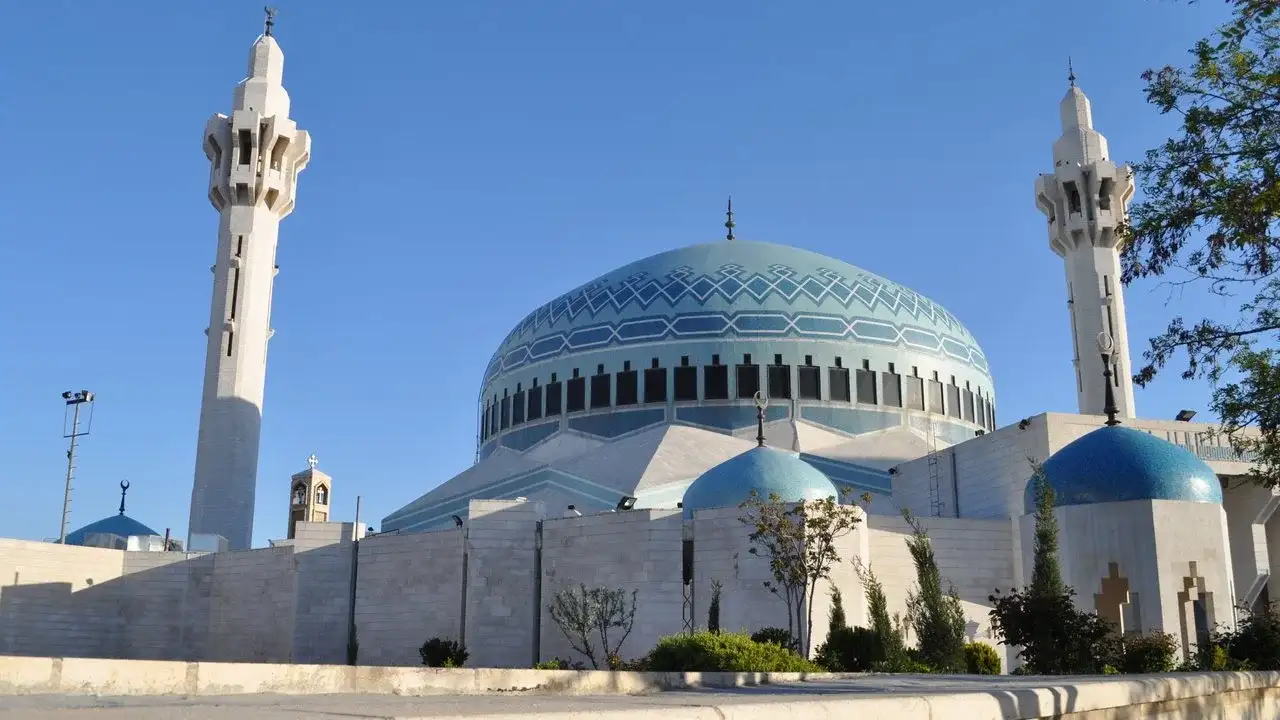
Amman
The White City via Petra. A hilltop capital of Roman ruins, souqs, and welcoming hospitality.






Best May Deals

Amman
Jordan
Royal JordanianAmman
Jordan
Royal JordanianAmman
Jordan
Royal JordanianAmman
Jordan
Gulf AirAmman
Jordan
Gulf AirAmman
Jordan
Gulf AirAmman
Jordan
Gulf AirAmman
Jordan
Royal JordanianAmman
Jordan
Royal JordanianAmman
Jordan
Royal JordanianMay Price Intelligence
How Amman prices compare in May 2027
Best in May
฿24,955
May avg
฿34,499
May median
฿25,691
May p90
฿42,548
Plan Around a Holiday
Holidays in May 2027
About Amman
Quick Facts: Amman in May
- Cheapest fare
- ฿24,955
- Cheapest month
- June
- Airlines
- 6 carriers
- Flight time
- ~9h 35m
- Non-stop
- Direct flights available
- Avg temperature
- 21°C
- Climate
- Mild
- Cost of living
- Affordable
- Distance
- 0 km
Amman, the capital of Jordan, is a city built on seven hills, where the ancient and the modern coexist in a beautiful, sun-drenched landscape. The highlight of any visit is the Amman Citadel (Jabal al-Qal'a), perched on the highest hill in the city. Here, you can wander through the ruins of the Temple of Hercules and the Umayyad Palace while taking in breathtaking 360-degree views of the sprawling urban valley below. The history here spans millennia, and the site serves as a perfect introduction to the various civilizations that have called this area home. Descending from the Citadel, you’ll find yourself in the bustling Downtown area (Al-Balad). This is the heart of the city, characterized by traditional markets, historic mosques, and the magnificent Roman Theatre, which still hosts cultural events today. The energy in Al-Balad is infectious, with vendors calling out their wares and the scent of spices and roasting coffee filling the air. It’s a place where you can truly feel the pulse of Jordanian life, away from the more modern districts of the west side. As you move westward, the city changes character, becoming more cosmopolitan and upscale. Areas like Abdali and Shmeisani feature modern shopping malls, glass skyscrapers, and high-end hotels, showcasing Jordan's forward-looking ambitions. Rainbow Street, located in the historic First Circle area, is a popular destination for both locals and tourists, lined with boutique shops, art galleries, and trendy cafes. Amman's unique blend of the old-world charm in the east and the contemporary flair in the west is what makes it such a fascinating destination.
Exploring the food scene in Amman is as much about the history and culture as it is about the taste. The quintessential experience begins at Hashem Restaurant in the heart of Al-Balad. This legendary establishment has served everyone from royalty to backpackers, specializing in the best falafel, hummus, and moutabal in the city. Eating here, seated on a simple plastic chair in a busy alleyway, captures the essence of Jordanian hospitality and simplicity. No visit to Amman is complete without trying Mansaf, the national dish of Jordan. This festive meal consists of tender lamb cooked in a sauce of fermented dried yogurt (jameed) and served over a bed of yellow rice and thin shrak bread. Often topped with toasted pine nuts and almonds, Mansaf is a symbol of generosity and is traditionally eaten together from a large communal platter, providing a deep insight into the Bedouin traditions that underpin Jordanian society. For dessert, the ultimate destination is Habibah Sweets. Located near the Roman Theatre, this iconic shop is famous for its Kunafa—a warm, cheese-filled pastry soaked in sweet syrup and topped with crushed pistachios. Joining the queue that often stretches out the door is part of the fun, and devouring your Kunafa while standing in the bustling street is a quintessential Amman moment, balancing salty and sweet flavors perfectly.
To see the true soul of Amman, you must step away from the major landmarks and wander into the maze-like neighborhoods that climb the city's hills. Jabal Al-Lweibdeh is perhaps the most charming of these, known for its bohemian vibe and artistic community. This area is home to the Darat al Funun, a complex of historic buildings and gardens dedicated to contemporary Arab art. Wandering through its quiet courtyards, you can find ancient ruins hidden among modern sculptures. For some of the most spectacular viewpoints, head to the residential streets of Jabal Amman. While everyone goes to the Citadel, the smaller 'darajs' (staircases) that connect the hills offer unique vantage points. The 'Panorama' area near the Wild Jordan Center provides a stunning look across the valley to the Citadel, especially at sunset when the call to prayer echoes from dozens of minarets simultaneously, creating a hauntingly beautiful atmosphere. Another hidden gem is the Duke’s Diwan on King Faisal Street. This historic building, one of the oldest in the city, has served as a post office and a hotel before being preserved as a cultural center. It is a stunning example of early 20th-century architecture, with high ceilings, ornate tiles, and vintage furniture, providing a rare glimpse into the aristocratic life of old Amman amidst the chaos of downtown.
Amman is a city where local life is incredibly affordable for budget travelers. The key is to eat where the locals eat and use the 'service' taxi system. Instead of private cars, look for the yellow taxis (service) that follow fixed routes and charge a very low, flat rate. Learning a few basic Arabic phrases and the names of the major circles will help you navigate the hills like a local without relying on expensive tourist shuttles. Accommodation for budget travelers is best found in the Downtown area or Jabal Al-Lweibdeh. There are several well-regarded hostels and budget hotels that offer clean rooms and rooftop terraces with incredible views. Staying centrally means you are within walking distance of the major souks and the Roman Theatre, saving you money on daily transport. Many of these places also offer communal dinners or shared tours to sites like Jerash. When it comes to meals, Amman is a street-food paradise. You can fill up on a hearty falafel sandwich or a bowl of 'foul' (fava beans) for just a couple of dinars. Shopping at the local produce markets, like the Souk el-Khudra, allows you to stock up on fresh fruits and nuts for very little cost. By adopting a local pace of life, you'll find that Amman is one of the most welcoming and cost-effective cities in the region.