Oslo
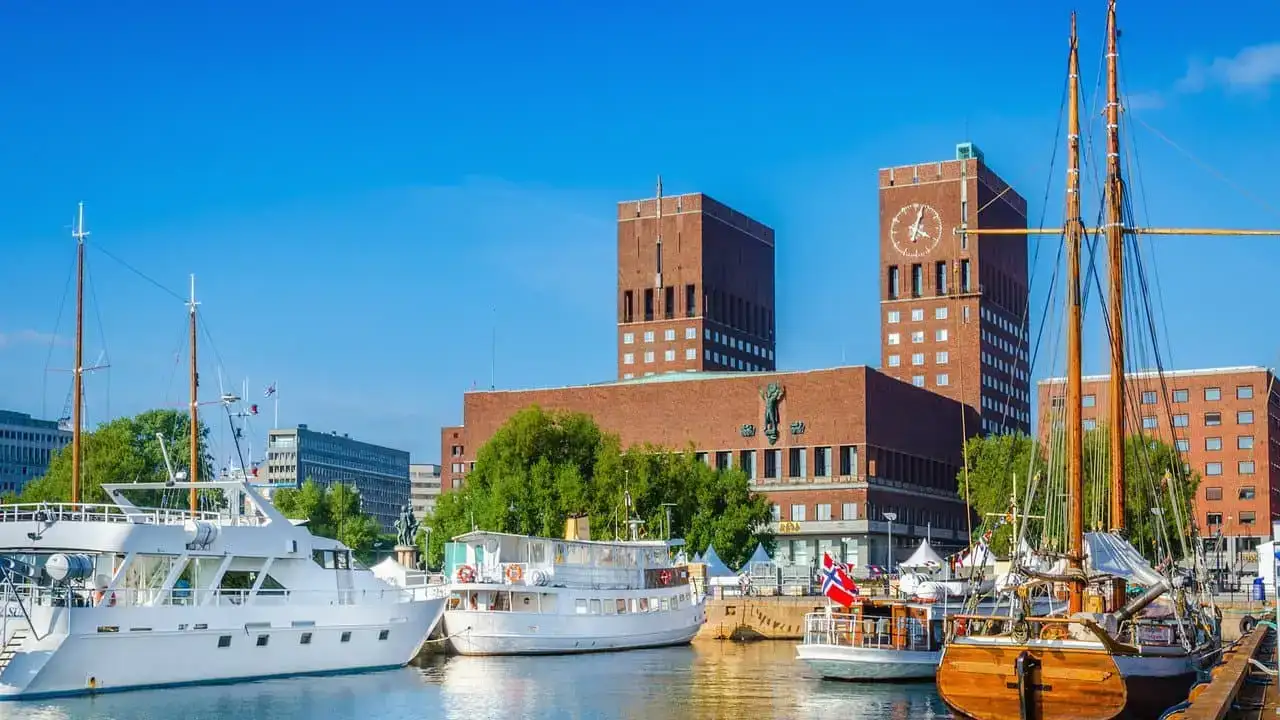
The Tiger City. A fast-growing capital surrounded by fjord and forest, mixing nature and modern architecture.
Quick Facts: Oslo in February
- Cheapest fare
- ฿15,788
- Cheapest month
- October
- Avg temperature
- 6°C
- Cost of living
- Luxury
The Tiger City. A fast-growing capital surrounded by fjord and forest, mixing nature and modern architecture.
February Price Intelligence
How Oslo prices compare in February 2027
Best in February
฿15,788
February avg
฿16,188
February median
฿15,797
February p90
฿16,167
Daily Price Trend
Cheapest fares for each day of February 2027
February 2027 Price Calendar
Tap any day to jump to that deal
About Oslo
Oslo is one of Europe's fastest-growing capitals, harmonizing cutting-edge architecture with incredible natural beauty. Start at the Opera House, where you can literally walk on the sloping white marble roof to enjoy views of the Oslofjord. The nearby Munch Museum is a landmark of contemporary design, housing an extensive collection of Edvard Munch's work, including several versions of 'The Scream.' For a historical perspective, the Akershus Fortress has protected the city since the 13th century and offers beautiful grounds for a walk. Vigeland Park is a world-renowned outdoor sculpture park, featuring over 200 bronze and granite works by Gustav Vigeland, including the famous 'Angry Boy' and the soaring Monolith. For a more maritime experience, take a 10-minute ferry to the Bygdøy peninsula. This 'museum island' houses the Fram Museum (dedicated to polar exploration) and the Kon-Tiki Museum. Oslo is a city designed for the outdoors; even in the heart of town, you are never more than a few minutes away from a forest trail or a dip in the fjord.
The culinary scene in Oslo has exploded in recent years, fueled by a renewed interest in local, seasonal ingredients. Seafood is king here—try fresh shrimp caught straight from the boats at the Rådhusbrygga (City Hall Pier) or high-quality Arctic cod. For a true Norwegian experience, try 'Brunost' (brown cheese)—a sweet, caramelized cheese usually served on waffles or whole-wheat bread. For something more adventurous, look for reindeer or moose dishes in traditional restaurants like Engebret Café. Mathallen Oslo in the Vulkan district is a fantastic food hall where you can sample everything from Norwegian cheeses and cured meats to international street food. It’s the perfect place for a rainy day lunch. Coffee culture is also taken very seriously in Oslo; Tim Wendelboe is world-famous for his meticulous roasting and brewing. As for drinks, try Aquavit, a traditional Scandinavian spirit distilled from potatoes and flavored with herbs like caraway or dill. While dining out in Oslo is notoriously expensive, the quality of the ingredients is exceptional.
One of Oslo’s coolest recent trends is the floating sauna culture along the harbor. Places like SALT and the Oslo Fjord Sauna allow you to sit in a wood-fired sauna and then jump directly into the icy waters of the fjord—even in winter! It’s a quintessential Nordic experience that offers great views of the city skyline. For another hidden gem, explore the Telthusbakken and Damstredet streets, which feature charming 18th-century wooden houses that survived the city's modernization. Island hopping in the Oslofjord is a favorite local activity. Using a standard public transport ticket, you can hop on ferries to islands like Hovedøya, which features medieval monastery ruins and beautiful hiking trails, or Gressholmen, known for its bird sanctuary. For a slice of forest, take the T-bane (metro) Line 1 to Holmenkollen. Not only can you see the famous ski jump, but you can also access the 'Nordmarka' forest, which offers hundreds of miles of trails for hiking in summer and cross-country skiing in winter, with cozy cabins serving hot chocolate and buns along the way.
Oslo’s public transport system is managed by Ruter and is incredibly efficient. Download the Ruter app to buy tickets and plan your journeys—it covers the T-bane (metro), trams, buses, and ferries. The city is very walkable, and most major attractions are within a 20-minute walk of the central station (Oslo S). If you plan to visit many museums, the Oslo Pass is a great investment as it includes free transport and entry to over 30 museums and attractions. Norway is a virtually cashless society; even the smallest market stall or public restroom will accept credit cards or phone payments. Tipping is not expected, though rounding up the bill in a nice restaurant is common. Oslo is one of the safest cities in the world, with very low crime rates. However, be prepared for high prices; a beer can easily cost $10-12 USD. To save money, take advantage of the 'Everyman's Right' (Allemannsretten), which allows you to hike and camp almost anywhere in nature for free. Lastly, remember that Norwegians value their personal space, but they are very helpful if you ask for directions or advice.