Fukuoka
Ramen Kingdom. A relaxed coastal city famous for its open-air food stalls (Yatai) and Tonkotsu ramen.
Quick Facts: Fukuoka in February
- Cheapest fare
- ฿5,285
- Cheapest month
- August
- Avg temperature
- 8°C
- Cost of living
- Affordable
Ramen Kingdom. A relaxed coastal city famous for its open-air food stalls (Yatai) and Tonkotsu ramen.
February Price Intelligence
How Fukuoka prices compare in February 2027
Best in February
฿5,285
February avg
฿6,477
February median
฿5,630
February p90
฿7,553
Daily Price Trend
Cheapest fares for each day of February 2027
February 2027 Price Calendar
Tap any day to jump to that deal
About Fukuoka
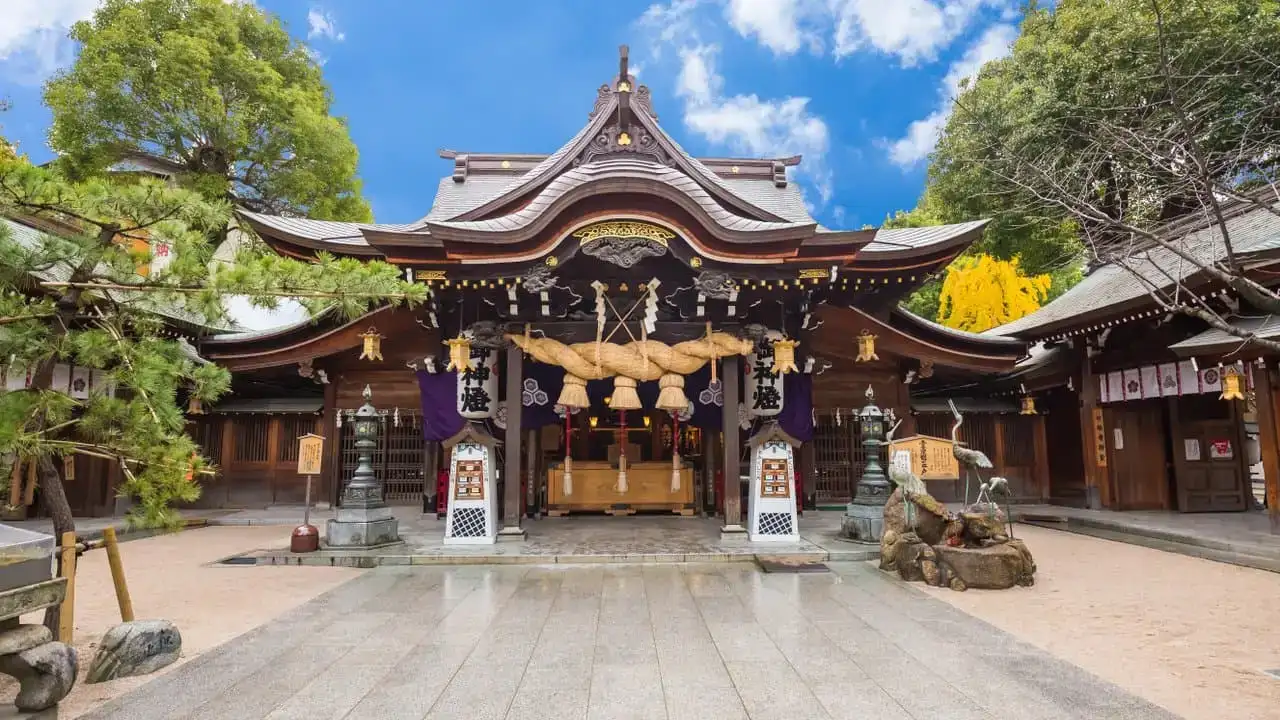
Fukuoka, located on the northern shore of Kyushu, is one of Japan's most livable and dynamic cities. It's a place where modern urbanism blends with coastal beauty. Start at Ohori Park, a massive park built around the former moat of Fukuoka Castle, perfect for a morning walk or a boat ride. Nearby, the ruins of Fukuoka Castle provide a glimpse into the city's feudal past. For a more contemporary experience, head to Canal City Hakata, a large shopping and entertainment complex with a man-made canal running through it. Fukuoka is known for being a gateway to Asia, giving it a more open and cosmopolitan feel than many other Japanese cities. Visit the Kushida Shrine, the home of the city's most important festival, the Hakata Gion Yamakasa. The city's geography is very manageable, with an efficient subway system connecting the airport, the main Hakata station, and the downtown Tenjin area. Whether you're exploring the historic shrines or the neon-lit shopping districts, Fukuoka offers a friendly and accessible introduction to Japanese culture.
Fukuoka is arguably the food capital of Kyushu, and it is most famous for Hakata Ramen. This dish features thin noodles in a rich, creamy Tonkotsu (pork bone) broth. You can find excellent ramen all over the city, but the most iconic way to eat in Fukuoka is at a 'Yatai.' These are small, open-air food stalls that appear at sunset, mostly in the Nakasu and Tenjin areas. Sitting at a Yatai is a social experience, where you can rub elbows with locals over ramen, gyoza, and yakitori. Beyond ramen, Fukuoka's proximity to the sea means the seafood is exceptional. Visit the Yanagibashi Rengo Market, often called 'Fukuoka's Kitchen,' the find the freshest catch. Try 'Motsunabe,' a hearty offal hot pot that is a local soul food, especially popular in the winter. For sweet treats, look for 'Umegae-mochi,' a grilled rice cake filled with sweet bean paste. The city's food culture is unpretentious and focused on bold flavors, reflecting the warm and welcoming nature of its people.
Fukuoka's skyline is defined by the Fukuoka Tower, the tallest seaside tower in Japan, covered in 8,000 half-mirrors. From its observation deck, you can see out over Hakata Bay and the surrounding mountains. For a contrast, take a short train ride to Dazaifu Tenmangu, one of the most important shrines in Japan, dedicated to the god of learning. The approach to the shrine is lined with shops selling traditional crafts and snacks, and the shrine grounds are famous for their thousands of plum trees. The Momochi Seaside Park area offers a modern, artificial beach and waterfront development near the tower and the PayPay Dome, home to the SoftBank Hawks baseball team. For a deeper look at local history, the Hakata Machiya Folk Museum showcases the traditional life and crafts of the Hakata area. This balance of cutting-edge modern architecture and deeply respected historical sites makes Fukuoka a multifaceted destination that appeals to all types of travelers.
Tenjin is the beating heart of Fukuoka's shopping and nightlife. This district is packed with department stores, boutiques, and an extensive underground shopping mall called Tenjin Chikagai, which mimics a 19th-century European street. Above ground, the Daimyo area is the 'cool' neighborhood, filled with vintage clothing stores, independent cafes, and hidden bars in narrow alleys. It's the best place to see the city's fashionable youth and experience its contemporary creative scene. For a more traditional shopping experience, the Kawabata Shotengai is the city's oldest commercial street, a covered arcade where you can find traditional Japanese goods, tea shops, and local snacks. Fukuoka's lifestyle is often described as relaxed compared to Tokyo or Osaka, with a strong emphasis on work-life balance and outdoor enjoyment. Spending an afternoon cafe-hopping in Daimyo or browsing the department stores in Tenjin is a great way to soak up the local vibe and find unique Japanese products.